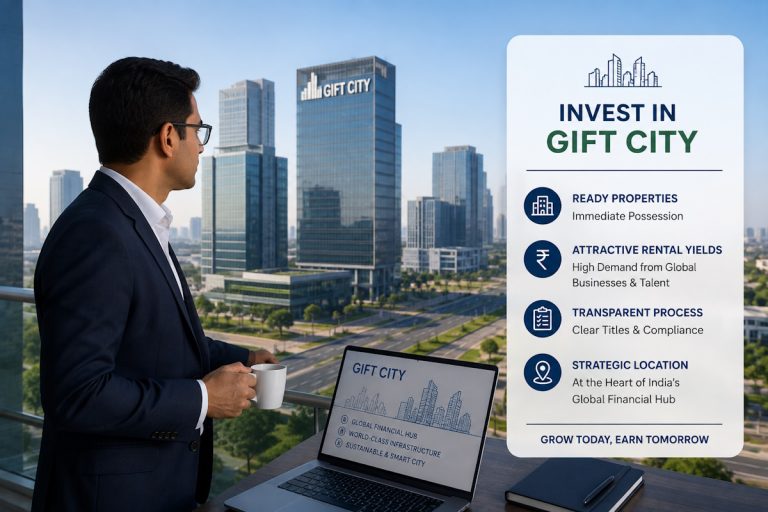

GIFT City has emerged as India premier International Financial Services Centre, attracting global financial institutions, technology giants, and sophisticated investors. For high net worth individuals, non resident Indians, and institutional buyers, securing high performing real estate here is not merely about finding available space, it is about identifying structured opportunities that align with long term macroeconomic growth. As the city undergoes rapid phase wise development, navigating the market requires a keen analytical eye to distinguish high yield assets from speculative projects.
Finding the right entry price and the right developer partner is the cornerstone of capital preservation and rental yield optimization. This guide provides a strategic framework to evaluate premium GIFT City Property Deals, helping you look past marketing incentives to assess the true underlying value of your real estate investments. By understanding the structural drivers of this unique economic zone, you can position your capital to capture sustainable, long term appreciation.
Understanding the Economics of GIFT City Real Estate
Before analyzing specific projects, investors must understand that GIFT City is not a typical metropolitan real estate market. The pricing dynamics here are deeply tied to regulatory approvals, infrastructure milestones, and global business integrations. When evaluating GIFT City projects, one must look at how the master plan segregates different zones and how these allocations affect long term demand.
The Dual Zone Pricing Dynamic
GIFT City is divided into two distinct zones: the Special Economic Zone, which serves as the International Financial Services Centre, and the Domestic Tariff Area. Properties located within the SEZ cater primarily to financial institutions, offshore banking units, and multinational corporations operating under global regulatory frameworks. Conversely, the Domestic Tariff Area caters to domestic businesses, service providers, and residential developments that support the workforce.
When searching for competitive property deals GIFT City offers, you must assess which zone fits your investment horizon. SEZ commercial assets often command a premium due to tax exemptions and global business interest, but they come with stricter leasing regulations. Domestic Tariff Area properties offer more flexibility and a broader pool of potential tenants, which can lead to faster occupancy cycles.
Rental Yield Projections and Liquidity Drivers
The yield profile in GIFT City is driven by the influx of highly paid professionals, multinational corporations, and international banks. Unlike traditional commercial markets in major Indian metros where yields hover around six to seven percent, premium commercial properties in this special zone have shown potential for higher yields due to the concentration of high value businesses. Residential yields are similarly supported by the growing demand for executive housing close to work areas.
To identify the most profitable opportunities, smart investors analyze the vacancy rates of completed buildings and the pre leasing velocity of upcoming projects. Acquiring an asset in a project with strong pre leasing commitments from multinational tenants significantly mitigates vacancy risks and guarantees cash flow from day one.
Evaluating GIFT City Property Deals: Beyond the Discount Tag
In a growing market, it is common to encounter various promotional campaigns and purchase structures. However, sophisticated investors know that the best commercial real estate opportunities are rarely defined by simple price cuts. Instead, they are defined by structural value, developer credibility, and favorable payment terms.
Assessing Developer Track Record and Execution Capability
GIFT City strict regulatory environment means that only developers with robust financial backing and a clear execution history can successfully deliver projects on schedule. When evaluating attractive GIFT City property offers, your primary step should be a thorough background check on the developer. Review their past performance in other premium markets, their debt to equity ratio, and their historical adherence to completion timelines.
Delays in this market do not just postpone rental income, they can also cause you to miss specific tax benefit windows or early mover occupancy advantages. Partnering with Grade A developers who have a proven commitment to quality and timelines is the safest way to protect your principal capital.
Analyzing Structured Payment Plans vs Down Payment Discounts
Developers often present multiple payment methods to attract diverse buyer profiles. You might be offered a choice between a significant down payment discount and a construction linked payment plan. While a upfront discount looks highly appealing on paper, it exposes your capital to project delay risks.
On the other hand, a construction linked plan or a structured subvention scheme keeps the developer accountable to specific construction milestones. For institutional buyers and family offices, negotiating a customized, milestone based payment schedule is often far more valuable than accepting a generic upfront discount. It preserves your liquidity and allows you to deploy capital into other interest bearing avenues during the construction phase.
Key Risk Factors and Mitigation Strategies for Investors
No high growth market is entirely without risk. Successful investing in GIFT City requires a clear understanding of regulatory changes, supply pipelines, and lease management structures. Minimizing these risks early in the decision cycle is what separates successful investors from speculative buyers.
Under Construction Risks and RERA Compliance
While looking for premium residential spaces in GIFT City, verifying RERA registration and the associated project account details is mandatory. RERA compliance ensures that seventy percent of the buyers funds are kept in a dedicated escrow account, utilized solely for the construction of that specific project. This significantly reduces the risk of fund diversion by the developer.
Additionally, investors should scrutinize the specific approvals held by the project. In GIFT City, approvals are required from both the local development authority and the IFSC authority, depending on the zone. A delay in these specialized approvals can stall a project even if the developer has the financial means to build.
Leasing and Property Management Infrastructure
For investors who do not reside in Gujarat, managing a property from afar can become a operational challenge. A beautiful office space or luxury apartment is only as good as the property management team looking after it. When evaluating competitive GIFT City real estate deals, look into the post possession management facilities offered by the developer or third party agencies.
Some developers offer built in leasing services, where they actively manage tenant acquisition, rent collection, and maintenance. While these services might come with a fee, they ensure high occupancy levels and hassle free management, which is particularly beneficial for NRI investors who cannot manage daily operations locally.
How to Structure Your Purchase for Maximum ROI
Maximizing returns on your property is not just about negotiating a lower purchase price, it is also about structural efficiency. By leveraging the unique regulatory environment of this specialized zone, you can significantly enhance your net yields.
Tax Benefits under IFSC and SEZ Regulations
GIFT City offers a highly favorable tax environment that directly impacts your overall ROI. For businesses operating within the IFSC, there are generous tax holidays, including a hundred percent income tax exemption for any ten consecutive years out of fifteen years. While these direct benefits apply to business operations, they indirectly boost real estate values by driving up the demand for premium office spaces.
For individual real estate investors, understanding the GST implications, stamp duty exemptions, and local municipal tax structures is vital. Utilizing the expertise of an advisory firm like Gift City Realty can help you navigate these local tax laws, ensuring you do not pay more than necessary during the acquisition process. For more detailed insights, you can review our comprehensive GIFT City investment guide.
Repatriation and Currency Hedging for NRIs
Non resident Indian investors must pay close attention to the repatriation rules set by the Reserve Bank of India and the Foreign Exchange Management Act. Capital gains and rental income from investments in GIFT City can generally be repatriated, provided the purchase was made using foreign currency accounts like NRE or FCNR accounts.
Investing in an IFSC designated property also opens up opportunities to transact in foreign currencies, which can act as a natural hedge against currency depreciation. This is a unique advantage not available in the standard Indian domestic real estate market, making it an incredibly attractive option for international investors looking to balance their portfolios.
Identifying Under Market Value Assets in Commercial and Residential Portfolios
To secure the best possible pricing, investors need to know where to look for pricing discrepancies and market inefficiencies. Finding undervalued assets requires a deep understanding of local market movements and strong relationships with key developers.
Pre Launch vs Post RERA Launch Opportunities
The earliest stage of a project often offers the most attractive entry pricing. However, entering a project before it receives its RERA registration comes with high risks and is generally not advised for retail investors. The ideal sweet spot is the window immediately following RERA registration but before the official public launch.
During this brief window, developers often offer special pricing to early investors to build momentum and secure initial funding. Working with trusted advisory services allows you to gain access to these invitation only pre launch phases, where you can secure premium units at a lower cost basis compared to the general public. These opportunities are highly valuable for investors seeking premium NRI investment options in India.
Bulk Buying and Joint Family Portfolios
Another highly effective strategy to secure competitive pricing is bulk purchasing. If you are looking to deploy a significant amount of capital, buying multiple units, an entire floor of a commercial building, or multiple apartments within a residential tower gives you immense negotiating power. Developers are highly receptive to bulk buyers because it significantly reduces their customer acquisition costs and improves their immediate cash flow.
Family offices and close groups of investors often pool their capital to execute bulk acquisitions. This strategy not only secures a lower per square foot purchase price but also allows you to negotiate customized lease back agreements, preferential parking allocations, and superior payment terms that are unavailable to single unit buyers.
Securing Value in Indias Premier Financial Hub
Investing in GIFT City real estate is a strategic decision that goes far beyond simple property hunting. It is a long term commitment to one of the most ambitious financial experiments in modern India. To succeed, you must look past simple discounts and focus on structural value, regulatory alignment, and developer execution capabilities.
Whether you are looking to expand your commercial portfolio or secure high yield residential assets, having a trusted partner on the ground is invaluable. At Gift City Realty, we specialize in helping sophisticated investors identify, evaluate, and secure premium real estate assets that align with their wealth preservation and growth strategies. By focusing on deep market research and transparent advisory, we ensure your investment in GIFT City is built on a solid foundation of long term value.
Frequently Asked Questions
1. Is it safe to invest in under construction projects in GIFT City?
Yes, provided the project is fully registered under Gujarat RERA and has secured all necessary clearances from both the local development authority and the IFSC authority. Working with Grade A developers with a proven track record of timely delivery further minimizes the risks associated with under construction properties.
2. What are the primary differences between SEZ and Non SEZ properties in GIFT City?
SEZ properties cater to businesses operating under global financial regulations and offer specific tax holidays, making them highly attractive to international tenants. Non SEZ properties, located in the Domestic Tariff Area, offer more leasing flexibility, serving domestic businesses, service providers, and residential users without strict regulatory entry barriers.
3. Can NRIs easily repatriate their rental income and capital gains from GIFT City?
Yes, non resident Indians can repatriate rental income and capital gains, provided the initial investment was made through approved banking channels such as NRE, NRO, or FCNR accounts. It is always recommended to consult with a tax advisor to ensure full compliance with the latest FEMA regulations.
4. Why are commercial property yields higher in GIFT City compared to other major Indian cities?
The higher yields are driven by the concentration of high value financial institutions, tech giants, and global banks that require world class infrastructure. The tax incentives and regulatory advantages attract premium tenants who are willing to pay competitive rents for Grade A office spaces within this unique economic zone.