
A Senior Investor’s Step-by-Step Guide to Buying Property in GIFT City
For high-net-worth individuals, institutional funds, and Non-Resident Indians (NRIs), the decision to buy property in GIFT City is driven by regulatory arbitrage and long-term capital appreciation potential, not just real estate dynamics. GIFT City, India’s first operational Smart City and International Financial Services Centre (IFSC), is a unique investment landscape where the rules of engagement differ fundamentally from the standard Indian real estate market.
First-time investors often underestimate the necessity of specialized knowledge regarding SEZ regulations, IFSC tax benefits, and the specific leasehold tenure structure. This guide provides a strategic, step-by-step roadmap to navigate the GIFT City property buying process, ensuring your investment is compliant, well-justified, and positioned for optimal returns. Our focus is on the evaluation framework that separates successful long-term investments from speculative plays.
Phase I: Strategic Preparation Before You Buy Property in GIFT City
Before initiating any site visit or engaging with sales teams, a clear internal strategy defining risk tolerance, capital deployment goals, and expected holding period is essential. This preparation phase is where most investment mistakes are avoided.
Defining Investment Objectives (Commercial vs. Residential)
The primary decision when considering how to invest in GIFT City revolves around asset class. Commercial properties (office spaces, IT towers) benefit directly from the IFSC’s operational density and regulatory incentives, yielding high commercial rental yields driven by captive demand from financial institutions. Residential units, conversely, are driven by the ancillary demand—the workforce, executives, and support staff moving into the city.
The ROI calculation for each is distinct. Commercial investments typically require larger upfront capital but offer structurally stronger leases and potentially higher yields, tied directly to the success of IFSC operations. Residential investments provide liquidity and relatively predictable rental income, but returns are correlated to the city’s residential saturation rate. Evaluate the supply pipeline carefully before proceeding.
Understanding the Regulatory Dualism (SEZ vs. Non-SEZ/IFSC Implications)
GIFT City is functionally divided into Special Economic Zones (SEZ) and Non-SEZ areas. Property within the SEZ is eligible for IFSC-related financial and regulatory benefits, including tax exemptions on specific income streams, critical for institutional investors. Non-SEZ areas primarily house the supporting residential and social infrastructure.
If your goal is to utilize the tax holidays and regulatory framework designed for financial services entities, your property must be SEZ-compliant. However, many individual investors choose Non-SEZ residential property for easier compliance and lower regulatory scrutiny on end-use. Understanding which regulatory bucket your asset falls into is non-negotiable before you agree to buy property in GIFT City.
Tax Residency and Property Jurisdiction
Your tax residency status (Indian Resident vs. NRI) profoundly impacts the regulatory compliance required and the tax benefits you can avail. NRIs must adhere to Foreign Exchange Management Act (FEMA) guidelines for funding and repatriation. Properties purchased by IFSC-registered entities, domestic or foreign, have distinct compliance requirements compared to those bought by individuals.
Action Point for Investors: Schedule an Investment Consultation with a firm like Gift City Realty. An expert can model your specific tax scenario against various property types and regulatory zones within GIFT City, helping you define the scope of your search accurately.
Phase II: Navigating the GIFT City Property Buying Process and Due Diligence
Once the strategy is clear, the focus shifts to asset selection and rigorous due diligence, which must extend beyond typical real estate checks to include regulatory adherence and master plan alignment.
Vetting Developers and Project Viability
In a developing financial hub like GIFT City, stability and timely completion are paramount, as delays directly erode projected ROI. Look beyond glossy brochures and assess the developer’s track record, specifically their experience in large-scale commercial developments and their adherence to RERA (Real Estate Regulatory Authority) norms and SEZ operational guidelines. Check the developer’s relationship with the GIFT City authorities.
A reputable developer will offer transparency on land allocation, necessary clearances from the SEZ authority (if applicable), and clear communication on possession dates. This scrutiny is a crucial part of the overall GIFT City property buying process.
The Critical Role of Leasehold vs. Freehold
A defining characteristic of GIFT City real estate is its land tenure. The land is typically held on a leasehold basis, granted by the GIFT City authority (Gujarat International Finance Tec-City Company Limited – GIFTCL) for 99 years. Investors do not acquire perpetual freehold rights to the land itself; they acquire a leasehold right to the built-up structure and the allotted land parcel for that tenure.
Understanding the implications of this 99-year lease—including ground rent obligations, renewal clauses, and transfer limitations—is essential for assessing long-term capital stability. While 99 years is a substantial term, the contractual obligations differ significantly from standard freehold ownership found elsewhere in India.
Financial Modeling: ROI and Rental Yield Projections
Realistic financial modeling requires validated data on market rentals and occupancy rates. Avoid relying solely on projected yields provided by developers. Instead, analyze existing operational buildings within the same segment (e.g., Grade A office space in the IFSC zone).
- Yield Drivers: Are yields driven by genuine IFSC demand or general market trends?
- Vacancy Risk: What is the absorption rate of new inventory in that cluster?
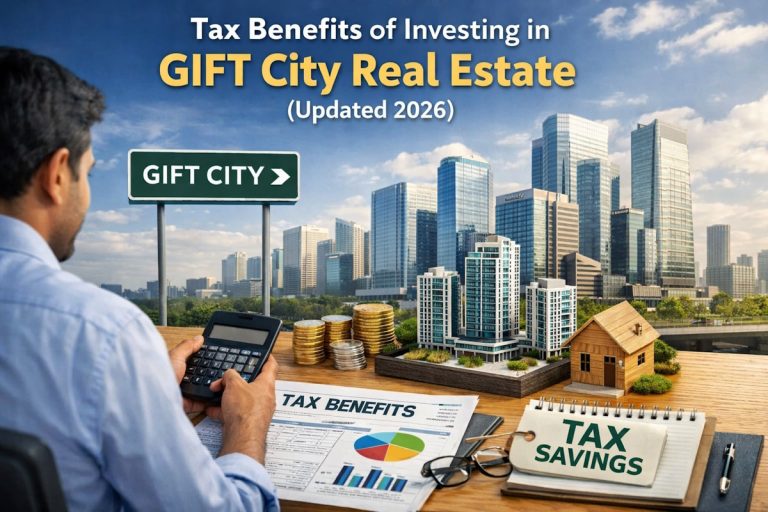
- Tax Efficiency: How do the regulatory tax benefits directly translate into enhanced net ROI for your specific entity or residency status?
Due to the complexity of these localized financial projections, informed investors often utilize specialized advisory resources to get investor guide documentation detailing comprehensive market comparisons and risk assessments.
Investment Advisory: If you are grappling with complex ROI projections, or need deeper insight into the competitive landscape, speak with a GIFT City Expert today. We provide bespoke analysis to confirm the financial viability of your selected asset class.
Phase III: Legal and Transactional Steps for First-Time Investors
Once due diligence confirms the asset’s viability and regulatory compliance, the transaction phase involves contractual agreements and adherence to specific procedural steps unique to the SEZ/IFSC environment.
Formal Offer, Booking, and Allotment
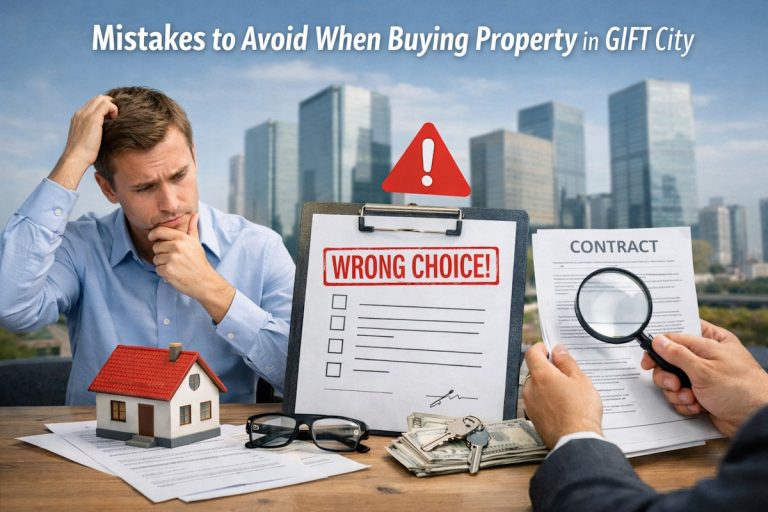
The GIFT City property buying process starts with a formal expression of interest and the payment of a booking amount. This is followed by the allotment letter, which confirms the specific unit, the agreed-upon price, and the payment schedule. Critically, review the sale agreement carefully, paying attention to clauses concerning delayed possession, penalties, and force majeure events.
For SEZ properties, ensure the documentation explicitly reflects SEZ clearances and compliance mandates issued by the Development Commissioner. Any deviations or missing regulatory approvals are major red flags.
Compliance and Documentation Requirements
Registration and transfer of property in GIFT City adhere to Gujarat state property laws but are layered with IFSC/SEZ regulatory requirements. Documentation requires meticulous preparation, especially regarding the source of funds (KYC/AML checks) and statutory approvals.
Special Provisions for NRIs (FEMA compliance)
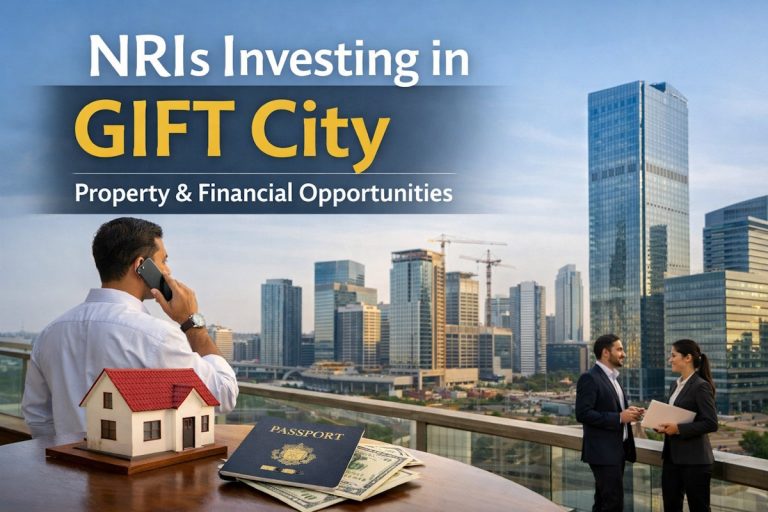
For Non-Resident Indians (NRIs) looking to buy property in GIFT City, funding typically must flow through approved banking channels (NRE/NRO accounts). While property purchase is generally permitted, specific restrictions apply depending on whether the property is residential or commercial. Ensure your legal counsel is well-versed in both Indian property law and FEMA regulations to ensure seamless repatriation eligibility later on.
Securing Investment Funding and Payout Schedules
Most purchases follow a construction-linked payment plan. Investors must ensure their capital is available as per the developer’s schedule. Defaulting on payment milestones can lead to penalties or cancellation, potentially forfeiting initial deposits. For commercial loans, lenders within GIFT City IFSC often provide favorable terms, given the regulatory security of the location.
Next Step: Request Property Details and detailed cash flow analysis for pre-vetted Grade-A commercial and residential projects in the SEZ and Non-SEZ zones. We only recommend projects that meet our strict compliance and viability standards.
Phase IV: Post-Acquisition Management and Maximizing Appreciation
Successful investment extends beyond the purchase date. This phase focuses on asset utilization, management, and long-term exit planning.
Understanding Lock-in Periods and Exit Strategies
Some commercial land parcels or assets acquired under specific government incentives within the SEZ may carry mandatory lock-in periods designed to prevent early speculation and ensure operational stability. You must know these timeframes as they fundamentally impact your investment liquidity and when you can strategically exit the market.
A well-defined exit strategy—whether selling to another institutional buyer, transferring the lease, or liquidating after a predetermined appreciation threshold—is vital. Due to the nascent nature of the secondary market, liquidity can be constrained; hence, identifying potential buyer pools early in the process is advised.
Maximizing Passive Income through Professional Management
Efficient property management is critical for sustaining optimal rental yields. For absentee owners or NRIs, engaging specialized asset management services that understand the unique demands of GIFT City tenants (often multinational financial institutions) is essential. These services handle leasing, regulatory compliance specific to tenants (especially in SEZ areas), maintenance, and timely rent collection.
Identifying Future Infrastructure Drivers
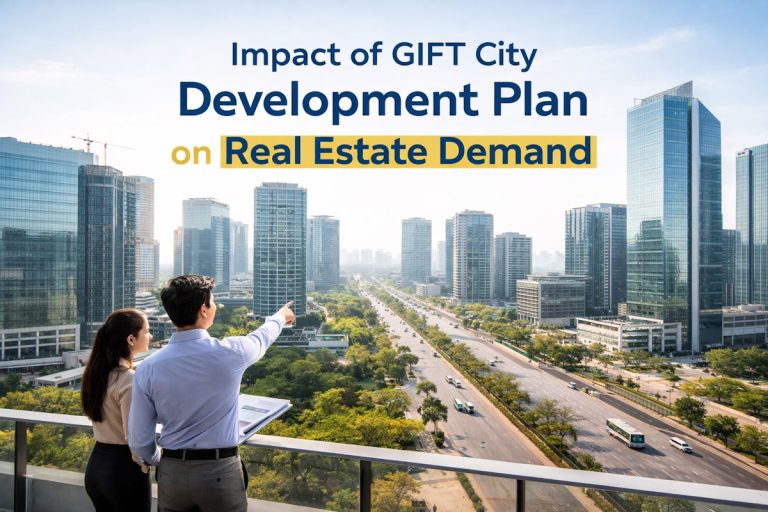
Capital appreciation in a planned city relies heavily on the realization of the remaining master plan elements—specifically the upcoming metro connectivity, social infrastructure expansion (schools, hospitals), and the influx of new anchor institutions. Keep track of the city’s development phases; assets in areas nearing completion of supporting infrastructure will experience faster valuation bumps.
For those committed to the long-term potential of this financial hub, securing reliable, data-driven updates is key to managing your portfolio effectively. Use a comprehensive resource designed specifically for serious investors to get investor guide updates on regulatory changes and upcoming opportunities.
Confident Commitment: Securing Your Position in India’s Financial Future
Investing in GIFT City is a calculated play on regulatory excellence and centralized growth. Unlike conventional real estate, success here is measured by compliance, strategic asset selection within the IFSC ecosystem, and a clear understanding of the leasehold framework.
By following this systematic guide, first-time investors move beyond basic transactional details to focus on critical investment justification: risk mitigation, projected returns, and alignment with India’s long-term financial vision. The unique advantages of GIFT City—the tax efficiencies, the captive tenant base, and its status as a government-backed initiative—make the decision to buy property in GIFT City a compelling one, provided you undertake the necessary strategic preparation and due diligence outlined above.
We encourage serious investors to Schedule an Investment Consultation to review specific project opportunities and receive customized guidance tailored to your portfolio objectives.
Frequently Asked Questions (FAQs) for GIFT City Investors
Q1: Can NRIs easily buy property in GIFT City?
A: Yes, NRIs are permitted to buy property in GIFT City, both commercial and residential. However, all transactions must strictly adhere to FEMA guidelines, and funding must be routed through NRE or NRO accounts. Specific tax implications related to rental income and capital gains should be evaluated based on the location (SEZ vs. Non-SEZ).
Q2: What is the difference between SEZ and Non-SEZ property investment in GIFT City?
A: SEZ properties primarily cater to IFSC-registered entities and benefit from specific tax holidays and operational incentives, making them highly attractive for commercial investment. Non-SEZ areas host residential and social infrastructure. The investment rationale, regulatory compliance, and tenant profiles differ significantly between the two zones.
Q3: Is the land in GIFT City freehold or leasehold?
A: All property in GIFT City is based on a long-term leasehold model, typically 99 years, granted by GIFTCL. Investors acquire the leasehold rights to the structure and land parcel, not perpetual freehold ownership. Lease terms, including renewal and transferability, are crucial elements for investor due diligence.
Q4: What is a realistic expectation for rental yield in GIFT City?
A: Rental yields vary significantly based on asset class and location. Prime Grade A commercial space in the IFSC zone typically commands higher yields, driven by high demand from financial institutions, compared to residential properties. Realistic expectations must be based on current absorption rates and the quality of tenants, not just initial projections.
Q5: Should I invest in ready-to-move projects or under-construction projects?
A: Under-construction projects often offer lower entry pricing and higher potential appreciation, but carry risk related to completion delays and regulatory changes. Ready-to-move projects provide immediate rental income and eliminate construction risk, though at a higher entry cost. The decision depends on your risk tolerance and whether immediate cash flow or maximum capital growth is the primary objective.