The Strategic Edge: Why IFSC Proximity Property Value Dictates Returns in GIFT City
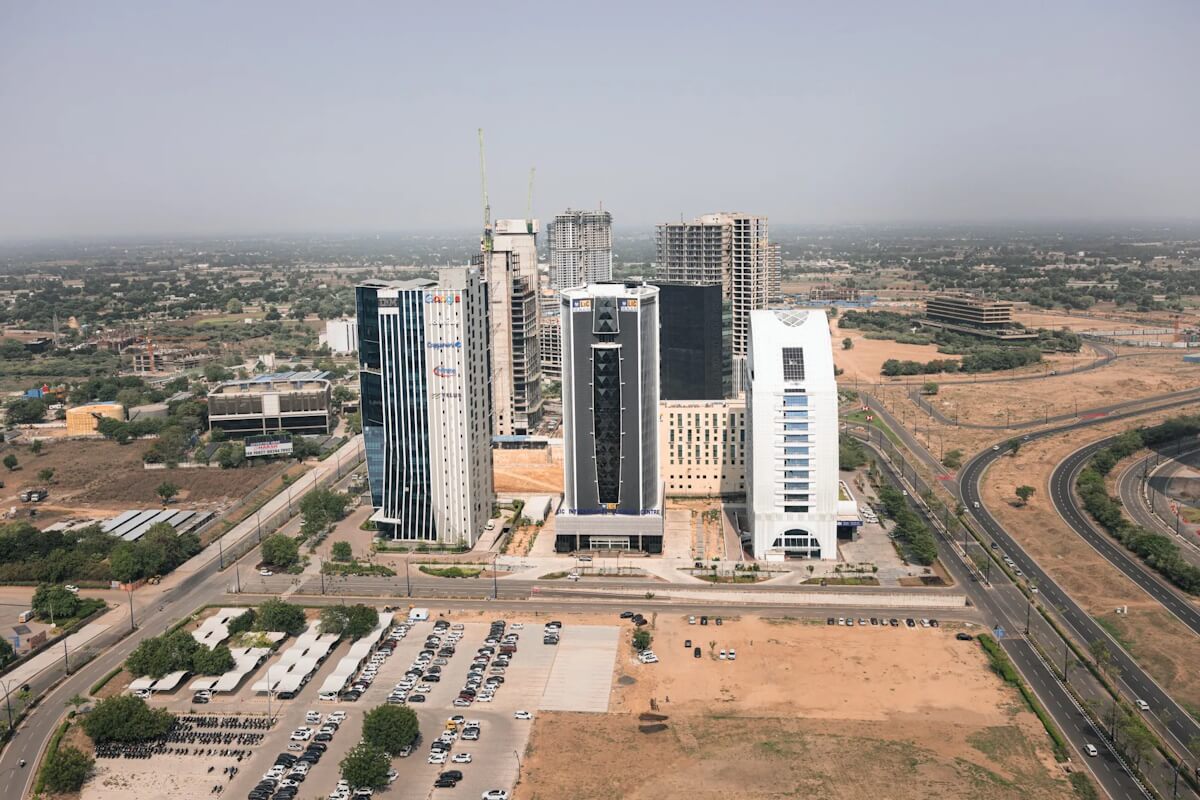
For investors focused on GIFT City, the decision isn’t merely about buying real estate; it’s about acquiring strategic positioning within India’s only operational International Financial Services Centre (IFSC). Unlike traditional metropolitan markets where location variables are diffuse, GIFT City is a concentrated, purpose-built financial hub. This makes one factor overwhelmingly critical to long-term returns: proximity to anchor IFSC institutions.
When assessing commercial or residential assets here, the true value differentiator isn’t the developer brand or the floor plate size—it’s the access coefficient. The closer your asset is to major banking, regulatory, and institutional headquarters operating within the IFSC SEZ, the stronger the IFSC proximity property value. This strategic location minimizes commuting friction for high-value talent, reduces compliance complexity, and directly impacts the longevity and premium nature of your rental contract. Understanding this demand dynamic is foundational to successful investment in this unique ecosystem.
The Core Thesis: Location, Compliance, and Convenience
In GIFT City, property value is functionally linked to operational efficiency. Financial institutions demand properties that reduce logistical burdens for their global operations. This translates directly into higher valuations for immediately adjacent spaces.
The Regulatory Magnet: IFSC and SEZ Synergy
IFSC institutions, particularly those requiring tight synchronization with regulatory bodies like IFSCA, favor premises that simplify compliance and physical access. The SEZ area’s unique operating environment creates a distinct geographic bias. Properties inside or immediately adjacent to established clusters of SEZ-notified towers inherently carry a premium.
Investors must evaluate a project’s positioning not just geographically, but regulatorily. How closely does the property align with the operational needs of major banks, insurance providers, and asset management firms? Properties offering seamless ‘walk-to-work’ access for employees who frequently interface with the main business district are best positioned to capitalize on sustained GIFT City IFSC demand.
Commuting Time as a Premium Factor
In high-stakes financial environments, time is a commodity. Employees, particularly CXOs and specialized talent, prioritize minimal travel. The concept of proximity here extends beyond simple square meters; it’s about providing zero-friction access. If a project requires traversing multiple security checkpoints or relies on external transportation, its appeal to Tier-1 financial tenants diminishes significantly.
This explains why the valuation difference between assets 100 meters and 500 meters from a key IFSC tower can be disproportionately large. The market prices in the convenience factor heavily, bolstering the IFSC proximity property value. If you are serious about understanding the quantitative returns available, we recommend starting with a detailed analysis of current rental rates based on precise geographic positioning. Download the GIFT City investor guide for a comparison matrix of properties inside the central business district.
Schedule an Investment Consultation: Secure Your Position in the Core Business District
Quantifying IFSC Proximity Property Value Drivers
For institutional investors, evaluating property value is a numerical exercise. Proximity is measurable and its impact on yield is predictable. Here are the key metrics that distinguish a prime location from a peripheral one.
Premium Rental Yields in the Core Business District
Prime commercial spaces directly catering to IFSC institutions command higher per-square-foot rentals. The core business district enjoys a pricing power premium because demand is highly inelastic. An anchor tenant, having established its operational base, will pay a premium to expand within an adjacent building rather than relocate to a less connected one. This stability drives elevated rental yields, making offices near IFSC GIFT City a highly sought-after, income-generating asset class.
Stability and Quality of Tenancy
High IFSC proximity property value attracts tenants with superior covenants. We typically see multi-year, triple-net leases from multinational corporations, large public sector banks, and established financial entities. This leads to reduced vacancy risk, consistent rental escalations, and minimal tenant default risk. Investors should look beyond the headline yield and focus on the quality of the potential tenant pipeline associated with their chosen location.
The “Walk-to-Work” Residential Premium
The impact of IFSC proximity isn’t limited to commercial offices. As the talent pool migrates into GIFT City, the demand for high-quality residential housing within walking distance of the financial district explodes. These residential properties capitalize on the inherent GIFT City IFSC demand for convenience.
Evaluating Specific Micro-Markets
The micro-market defined by proximity to the main IFSC zone experiences an artificial supply constraint. Unlike major cities where residential projects are endless, GIFT City’s development is deliberate and phased. Securing an early position in a residential project that serves the ‘walk-to-work’ cohort locks in future appreciation driven by this constrained supply.
Identifying the 500-Meter Radius Advantage
From an investor’s standpoint, the 500-meter radius around major operational towers is crucial. Properties falling within this zone benefit from the highest potential for both capital appreciation and immediate rental returns. These are the locations that will be leveraged by CXOs, visiting international delegates, and mid-level management demanding zero-commute living. For a detailed comparative analysis of residential clusters, you can Download the GIFT City investor guide and evaluate projected capital values.
Request Property Details: Receive Vetted Investment Options in Prime IFSC Locations
Analyzing Different Property Types Based on GIFT City IFSC Demand
The investment strategy must align with the specific property asset class, each responding differently to IFSC proximity.
Commercial Office Spaces: The Tier 1 Tenant Strategy
Investing in commercial space requires a deep understanding of the regulatory landscape that attracts large tenants. IFSC entities often seek large, contiguous floor plates in buildings that are already compliant and operational. Properties within the established commercial corridor see sustained GIFT City IFSC demand because they offer immediate access to essential services and a prestigious address that resonates globally. For investors, this translates into premium lease covenants and reliable income streams.
Managed Serviced Apartments: Catering to Corporate Transit
The influx of international and domestic financial professionals necessitates high-quality, short-to-mid-term accommodation. Managed serviced apartments located close to the financial towers derive their highest value from the transient corporate population. The investment justification here relies less on capital appreciation (though it occurs) and more on maximizing occupancy rates and per-night yield, directly supported by the surrounding offices near IFSC GIFT City.
Retail and F&B Footprint
Retail in GIFT City is not mass-market; it’s support infrastructure. Proximity to the commercial towers ensures high-density, captive consumption. Coffee shops, fine dining, and essential service retail spaces located on the ground floors of prime commercial towers benefit from constant corporate foot traffic. This specialized retail segment often supports the highest per-square-foot sales velocity, underpinning its inherent IFSC proximity property value.
The mistake many new investors make is viewing retail as a standalone asset. In GIFT City, retail is a function of the institutional demand around it. The best returns come from retail spaces servicing the top-tier workforce, not generalized consumer traffic. Consult with experts at Gift City Realty to pinpoint high-footfall retail units before committing capital. Download the GIFT City investor guide to learn about current retail opportunities.
Explore GIFT City Projects: View Our Handpicked Portfolio of Core-IFSC Assets
The Long-Term Appreciation Matrix: Beyond Initial Yields
While rental yield is crucial, the long-term investment horizon relies on capital appreciation driven by the sustained growth of the IFSC itself. Proximity ensures you capture the maximum capital upside.
Infrastructure Lock-in and Scalability
As the IFSC matures, infrastructure (like metro connectivity, utility grids, and fiber optic backbones) is first installed and anchored to the core financial district. Properties in this core benefit first and most completely from these upgrades. Further out, infrastructure development lags. Investing close to the epicenter provides “infrastructure lock-in,” meaning your property’s relevance and efficiency are guaranteed, strengthening the IFSC proximity property value for decades.
Risk Mitigation Through Established Demand
The greatest risk in real estate investment is vacancy. Properties demonstrating high GIFT City IFSC demand mitigate this risk significantly. Should a major tenant vacate, the persistent need for space in the core area ensures a rapid re-tenancy cycle. This resilience makes properties near major clusters a defensive investment, protecting capital during market shifts.
Exit Strategy and Liquidity
When the time comes to exit the investment, a property that is demonstrably close to the core IFSC institutions offers superior liquidity. Serious institutional buyers and follow-on investors prioritize location and proven tenancy history over all else. The premium location ensures your asset is among the first to be considered, fetching a higher price multiplier. This is the ultimate payoff for strategically investing in prime offices near IFSC GIFT City.
The location of your GIFT City asset is not incidental; it is the defining variable of your investment performance. Investors must ruthlessly analyze where their property sits in relation to the financial epicenter. This strategic evaluation, focused on compliance needs, talent movement, and regulatory access, is the key to unlocking superior ROI and minimizing exposure to peripheral market risks. Speak with a GIFT City Realty specialist who understands these micro-market dynamics before finalizing your investment decision. If you haven’t yet, make sure to Download the GIFT City investor guide.
Frequently Asked Questions (FAQs) for GIFT City Investors
What defines ‘IFSC proximity’ for investment purposes?
IFSC proximity refers to assets, both commercial and residential, located within the primary operational zone of the SEZ, ideally within a short walking distance (under 500 meters) of major IFSC bank headquarters, regulatory offices (IFSCA), and institutional towers. This proximity directly drives rental premiums and tenant demand.
How much higher are yields for high IFSC proximity property value assets?
While precise yields vary by project and asset class, prime IFSC proximity property value commercial assets typically command a 15% to 30% rental premium compared to comparable quality assets located on the periphery of the core financial district, due to reduced operational friction for tenants.
Does the location of my property affect tax benefits in GIFT City?
No, location within GIFT City does not affect the tax benefits, provided the property is situated within the SEZ (Special Economic Zone) notification area. However, proximity ensures you attract the tenants (IFSC entities) who are best positioned to utilize those tax incentives, thereby stabilizing your income stream.
Should NRIs prioritize commercial or residential properties based on IFSC proximity property value?
Both asset classes benefit significantly. Commercial properties leverage anchor tenant demand and high rental stability. Residential properties benefit from the captive pool of high-income professionals. Many experienced NRIs adopt a blended approach, prioritizing assets closest to the core to capture immediate yield (commercial) and long-term appreciation (residential).