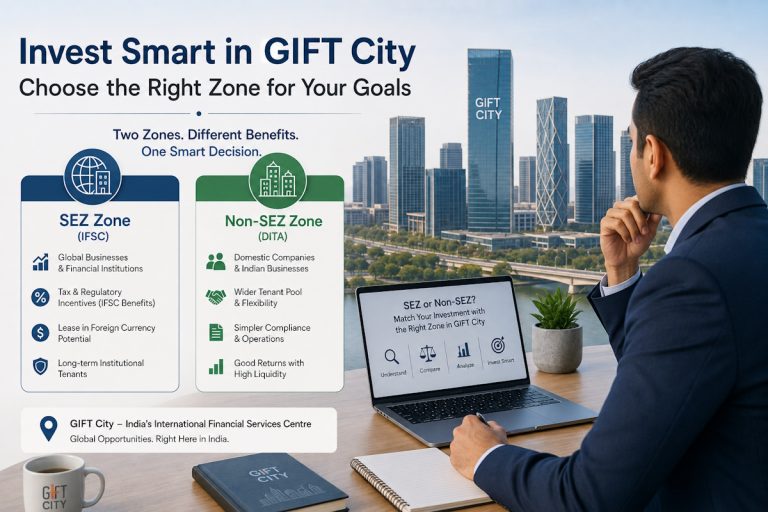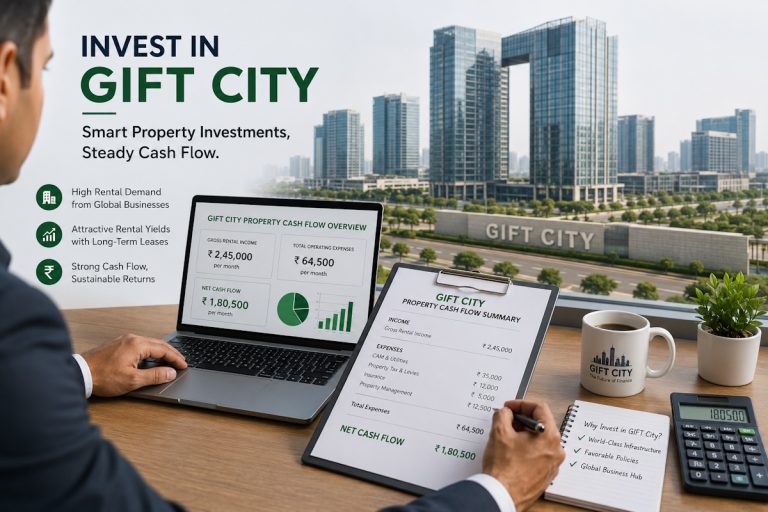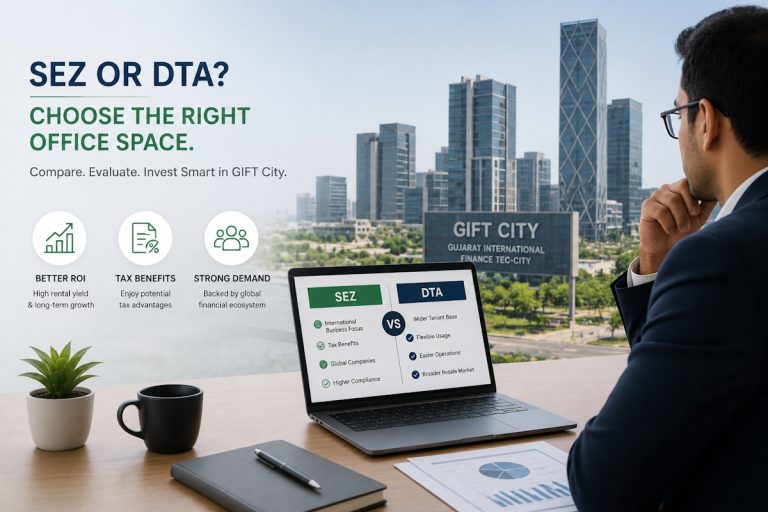
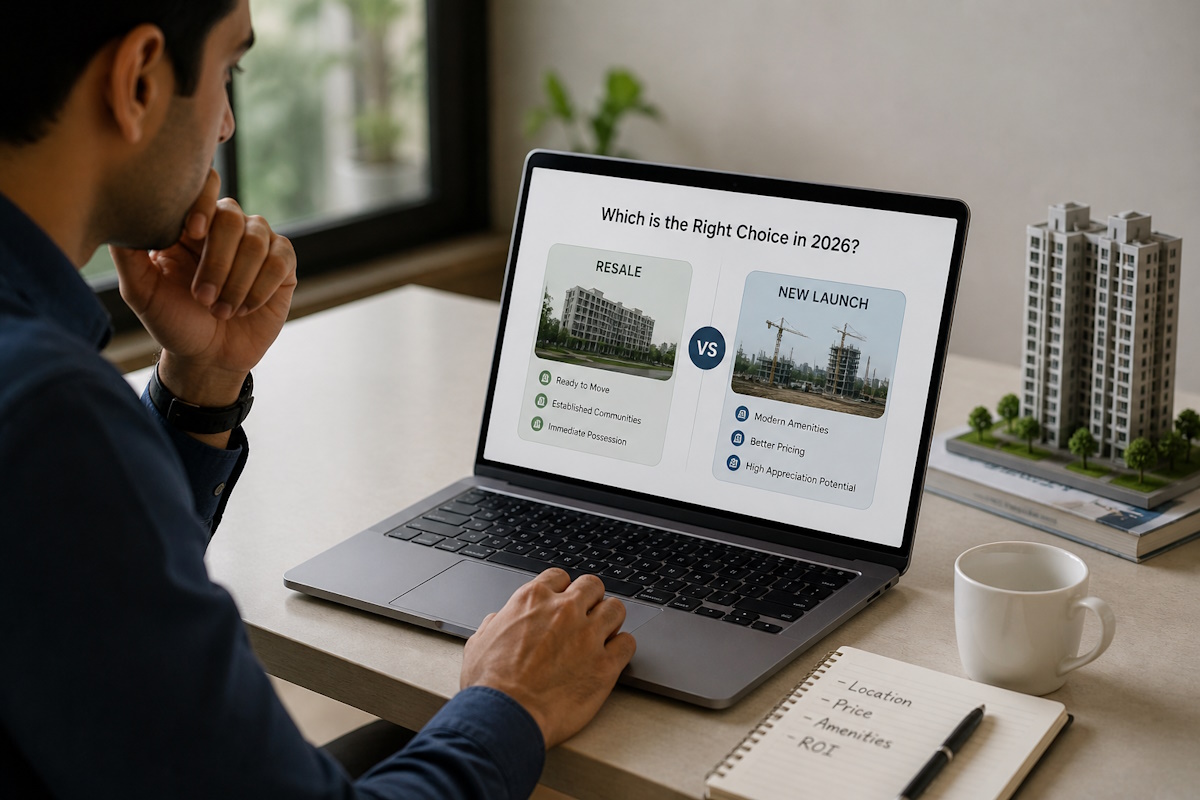
The transition of Gujarat International Finance Tec-City from a visionary master plan to an operational global hub has reached a critical juncture. For institutional investors and high net worth individuals, the primary question is no longer whether to invest, but rather where to place capital to maximize liquidity and yield as we approach the 2026 horizon. The choice between a Sobha Dream Heights Resale and pursuing a new launch from developers like Brigade is a nuanced decision that depends heavily on an investor’s timeline and risk tolerance.
As the Special Economic Zone and International Financial Services Centre (IFSC) continue to attract global banking giants and fintech firms, the demand for high quality housing is outpacing immediate supply. By 2026, the first wave of residential settlers will have established a baseline for the market, making the distinction between ready to move assets and under construction projects more pronounced. This article provides a technical evaluation of the 2026 residential landscape, focusing on demand drivers, supply constraints, and the strategic advantages of different entry points.
The 2026 Tipping Point: GIFT City Real Estate Evolution
By the year 2026, GIFT City is expected to look significantly different than it does today. With the completion of several major commercial towers and the increasing influx of international employees, the residential sector will move from a speculative phase into an operational one. This shift is vital for investors to understand, as it dictates the rental floor and the secondary market’s depth. The Residential Inventory 2026 projections suggest a tighter market than many anticipated, primarily due to the strict regulatory environment and the time required for high rise construction in a smart city ecosystem.
Market Maturation and Occupancy Drivers
The primary driver for the 2026 demand is the workforce expansion within the IFSC. As global firms relocate their back office and core financial operations to Gujarat, the need for walk to work housing becomes a non negotiable requirement for CXOs and senior management. This demographic does not just look for four walls, they look for integrated living environments that match international standards. This is where early movers like Sobha and Brigade have carved out a significant advantage by setting a high bar for construction quality and amenities.
Supply Chain Constraints and Delivery Timelines
Real estate development in a smart city involves complex integration with centralized district cooling systems, automated waste collection, and sophisticated utility tunnels. These factors, while beneficial for long term sustainability, mean that new launches cannot be rushed to market. Investors looking at the 2026 window must realize that projects not already well into their construction phase are unlikely to provide immediate housing solutions by that time. This scarcity naturally boosts the value of existing stock and early phase projects nearing completion.
Analyzing Sobha Dream Heights Resale as a Primary Entry Strategy
As one of the first major residential players in the zone, Sobha has established a reputation for delivery and quality. For an investor, a Sobha Dream Heights Resale represents a de-risked asset. The construction risk is largely behind you, and the property is already integrated into the city’s infrastructure. In a market where many projects are still on paper, the value of a tangible, ready to move unit cannot be overstated, especially for those seeking immediate rental income.
The Yield Advantage of Ready Units
Investors targeting the 2026 window often prioritize cash flow. A resale unit allows for immediate leasing to the growing pool of corporate tenants. While the entry price for a resale might be higher than the original booking price, the absence of a three to four year waiting period means you begin recouping your investment from day one. In the context of GIFT City, where rental yields are expected to be higher than traditional Indian metros due to the high density of high earning professionals, the math often favors the immediate asset.
Evaluating Capital Appreciation in the Secondary Market
The secondary market in GIFT City is still in its infancy, which offers a unique window for early investors. When you look at a Sobha Dream Heights Resale, you are looking at an asset that has already captured the “early adopter” appreciation but still has significant room to grow as the city’s vacancy rates drop. As more commercial space is occupied, the demand for these specific units increases, potentially leading to a sharp spike in resale values by 2026.
Maintenance and Long Term Durability
One aspect often overlooked by investors is the long term maintenance of the asset. Sobha’s focus on backward integration and high quality finishes means that these units are likely to age better than average developments. This durability is a key factor in maintaining high rental yields over a ten year horizon and ensuring the asset remains attractive in the 2026 resale market.
Evaluating Brigade GIFT City: The New Launch Perspective
While resale offers immediacy, new launches like those from Brigade GIFT City offer different strategic benefits. These projects often come with the latest architectural innovations and more flexible payment plans that allow investors to leverage their capital over a longer period. For an investor with a five to seven year horizon, entering a new launch can offer a lower entry point compared to the current resale market prices of established buildings.
The Benefit of Modern Floor Plans and Tech Integration
Developments being launched now for completion around 2026 or 2027 often incorporate feedback from the first wave of residents. This means better space utilization, more efficient home automation, and common areas designed for the hybrid work culture that has emerged post pandemic. For an NRI or a CXO looking for a primary residence or a premium rental asset, these modern touches can be a deciding factor.
Financial Leverage and Construction Linked Payments
Entering a Brigade GIFT City project through a new launch typically involves construction linked payment plans. This allows an investor to commit to a property with a smaller initial outlay, preserving liquidity for other investments. If the city continues its current trajectory, the capital appreciation that occurs during the construction phase can lead to significant returns on the actual capital deployed by the time the building is handed over in 2026 or later.
Comparing Residential Inventory 2026 Supply Dynamics
To make an informed decision, one must look at the total Residential Inventory 2026. GIFT City has a unique master plan where residential space is capped at a specific percentage of the total built up area. This artificial scarcity is a fundamental pillar of the investment thesis. By 2026, the volume of residential units available will still be relatively small compared to the millions of square feet of commercial office space being developed.
The Demand Supply Gap in the IFSC
Current estimates suggest that the ratio of employees to available on site apartments will remain skewed in favor of landlords for the foreseeable future. Many employees currently commute from Ahmedabad or Gandhinagar, but as the city’s internal social infrastructure like schools, hospitals, and retail zones becomes fully operational by 2026, the desire to live within the zone will intensify. This will put upward pressure on both Sobha Dream Heights Resale prices and new launch premiums.
Institutional vs. Individual Buyer Influence
We are seeing an increasing interest from family offices and institutional buyers who are looking to pick up entire floors or blocks of residential inventory. This institutional presence tends to stabilize the market but can also reduce the available inventory for individual investors. Understanding the move of these larger players is essential for anyone looking at the 2026 market, as it indicates a high level of confidence in the city’s long term viability.
Financial Implications: Rental Yields and Capital Gains
The financial success of a GIFT City investment is measured through two primary lenses: the annual yield and the eventual exit price. In the 2026 context, the yield for a Sobha Dream Heights Resale is expected to be competitive, especially if the unit is furnished to cater to expatriates and senior executives. New launches, while not providing immediate yield, offer a different tax and capital gain profile.
Tax Considerations for NRIs and HNIs
Investing in GIFT City comes with specific regulatory benefits that are not available in the rest of India. For entities operating within the IFSC, there are significant tax holidays and exemptions. While these primarily apply to business income, the overall economic climate of the city boosts real estate values. Investors should consult with advisors at Gift City Realty to understand how the 2026 tax landscape will influence their net returns, particularly concerning capital gains on resale units versus long term holdings.
Currency Fluctuations and the IFSC Advantage
For NRI investors, the ability to operate in a dollarized environment or a zone with simplified repatriation rules is a major draw. As the IFSC matures by 2026, the ease of doing business within the zone will likely extend its influence to the real estate administrative processes, making the purchase and sale of assets like a Sobha Dream Heights Resale more efficient than traditional Indian real estate transactions.
Regulatory Advantages and the IFSC Ecosystem Impact
The success of any project, whether it is Brigade GIFT City or an established Sobha tower, is intrinsically tied to the regulatory health of the IFSC. The government of India and the Gujarat state government have shown unprecedented alignment in ensuring GIFT City succeeds as a global financial gateway. This regulatory stability is what underpins the Residential Inventory 2026 value proposition.
Single Window Clearance and Urban Governance
Unlike other Indian cities where real estate is often hampered by bureaucratic delays, GIFT City operates under a streamlined governance model. This ensures that infrastructure is maintained to a high standard and that future developments are integrated seamlessly. For an investor, this means the environment surrounding your property in 2026 will likely be better than it was the day you bought it, a rarity in many emerging markets.
The Impact of the Social Zone Expansion
The recent focus on expanding the “Social Zone” within GIFT City is a game changer for residential demand. By 2026, the planned entertainment districts, high end retail, and international schools will be much further along. This turns the city from a nine to five business district into a 24/7 living hub. This transition is the single biggest factor that will drive the 2026 demand for high quality residential units.
Decision Framework: Choosing Your Path in 2026
When deciding between a Sobha Dream Heights Resale and a new launch for the 2026 window, you must align the choice with your broader investment strategy. Are you looking for a stable, income generating asset that is ready now, or are you looking for the higher potential upside of a new launch that allows for phased capital deployment? Both paths have merit in the current GIFT City ecosystem.
Gift City Realty recommends a balanced approach for those looking to build a significant portfolio. Holding a ready unit for immediate yield while simultaneously participating in a new launch can provide both liquidity and long term growth. The Residential Inventory 2026 will be the first true test of the city’s secondary market, and those who have positioned themselves early in quality projects from reputable developers will be the ones most likely to benefit.
Avoiding Common Investment Mistakes
One common mistake is chasing the lowest price per square foot without considering the developer’s track record or the project’s location within the city. In a high tech environment like GIFT City, the quality of facility management and the reliability of utility connections are paramount. Opting for established names like Sobha or Brigade mitigates these risks. Another mistake is failing to account for the specific demographic of the IFSC, which values convenience and quality of life over sheer square footage.
Mitigating Liquidity Risk
Liquidity is a primary concern for any real estate investor. By 2026, the resale market for premium projects is expected to be robust, but it will always favor projects with high occupancy and professional management. When evaluating a Sobha Dream Heights Resale, look at the current occupancy trends and the profile of the tenants already in the building. This is the best indicator of how liquid your asset will be in the future.
Frequently Asked Questions
1. Why is 2026 considered a pivotal year for GIFT City real estate?
2026 marks the point where much of the initial commercial and social infrastructure becomes fully operational. This transition from a development phase to an occupancy phase is expected to stabilize rental yields and create a more active secondary market for residential assets.
2. Is it better to buy a Sobha Dream Heights Resale or a new launch from Brigade?
It depends on your goal. A resale offers immediate rental income and a ready to move asset, which is ideal for those seeking cash flow. A new launch often provides better payment flexibility and the potential for higher capital appreciation during the construction phase.
3. What is the expected rental yield for residential units in GIFT City by 2026?
While yields can vary, the high density of corporate professionals and the limited residential inventory suggest that yields in GIFT City could be significantly higher than the three percent average seen in typical Indian residential markets, potentially reaching five to seven percent for premium, well managed units.
4. How does the “walk to work” concept impact investment decisions?
The walk to work concept is the cornerstone of GIFT City’s residential demand. Properties located within or very close to the main commercial clusters will always command a premium in both the rental and resale markets, making them more resilient to market fluctuations.
5. Are there specific tax benefits for residential investors in GIFT City?
While many tax benefits are aimed at business entities in the IFSC, the overall regulatory environment offers stamp duty exemptions and a streamlined process for NRIs. The real benefit, however, lies in the economic growth of the zone which directly fuels property appreciation.