
If you are looking at GIFT City beyond offices and residential towers, retail and hospitality usually come up next. Coffee shops, food courts, neighborhood convenience stores, business hotels, serviced apartments. On paper, it looks straightforward. A financial district needs places to eat, stay, and unwind.
In practice, retail investment GIFT City and hotel investment GIFT City work very differently from retail or hotels in a metro city. The demand is real, but it is uneven, time-bound, and still forming. If you are comparing this with a high street in Ahmedabad, Mumbai, or Bengaluru, the decision math changes quickly.
This is meant to help you decide whether commercial retail GIFT City or hospitality assets actually fit your goals, risk comfort, and holding period.
Check If Retail or Hospitality in GIFT City Fits Your Profile
What Retail and Hospitality Really Mean Inside GIFT City
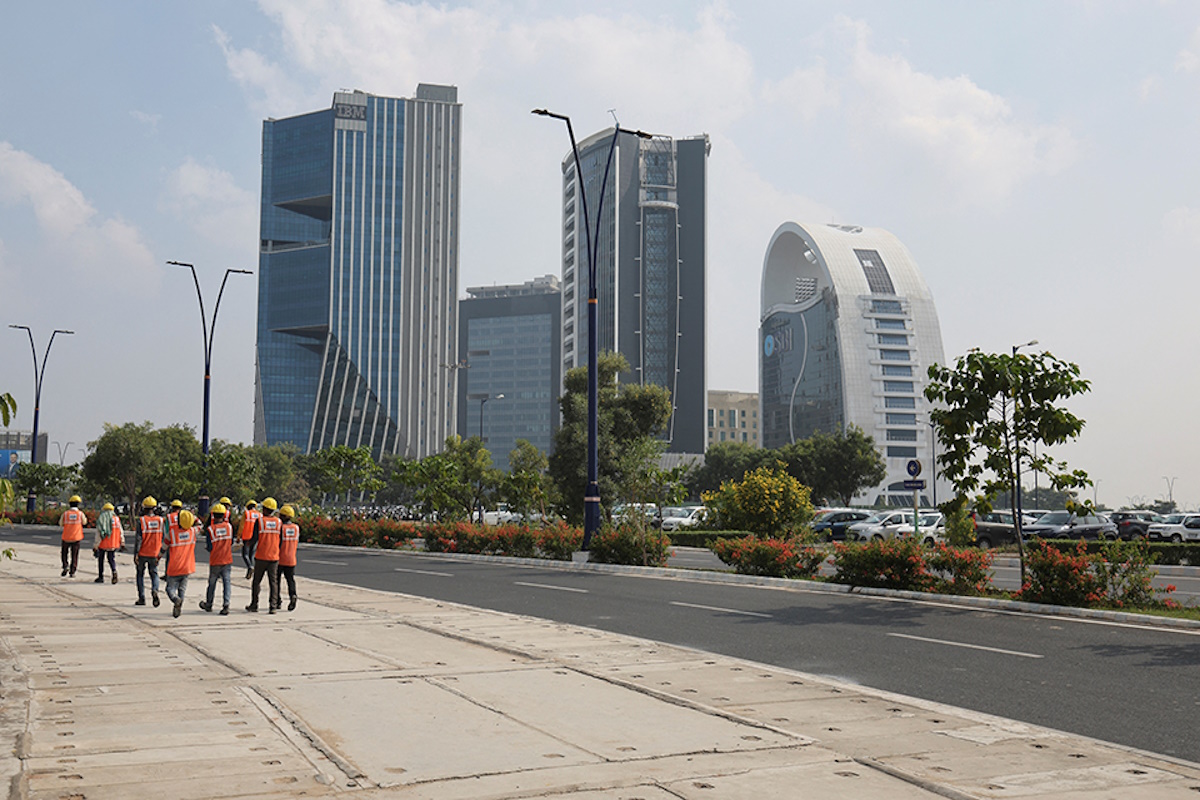
GIFT City is not a city in the usual sense. It is a planned business district built primarily for global finance, banking, fintech, and allied services. People come here mainly to work. Most of them leave in the evening.
That single fact shapes retail and hospitality demand more than anything else.
Retail here is not driven by walk-in shoppers from surrounding neighborhoods. Hospitality demand is not driven by leisure travel or social events. Both depend heavily on office occupancy, weekday footfall, and corporate movement.
You are investing into usage patterns tied to working hours, not lifestyle spending.
Retail Investment GIFT City: Where Demand Actually Comes From
Retail demand in GIFT City comes from three main groups.
Office employees working in IFSC banks, fintech firms, consulting firms, and support services.
Business visitors, consultants, and overseas professionals coming for short stays.
Residents living inside GIFT City, which is still a smaller base compared to office users.
This creates a retail profile very different from malls or high streets.
Food and beverage works best. Cafes, quick service restaurants, casual dining, grab-and-go counters.
Daily convenience retail works moderately. Pharmacies, mini marts, mobile stores, laundry pickup points.
Lifestyle retail struggles unless it is need-based. Fashion, electronics, gifting, and discretionary shopping do not see consistent footfall yet.
When evaluating commercial retail GIFT City, the first question is not size or price. It is relevance.
Who will walk past this shop on a Monday afternoon. Why will they enter. How often will they return.
IFSC, SEZ, and Non-SEZ: Why Location Inside GIFT City Matters
Retail performance depends heavily on whether the unit is inside IFSC, SEZ, or Non-SEZ areas.
IFSC Zone
Retail formats are restricted. Alcohol service, entertainment formats, and some food concepts face limits. Footfall is mainly weekday corporate.
SEZ Zone
Retail works as support infrastructure. Cafeterias, food courts, and essential services tied to office buildings.
Non-SEZ Zone
More flexibility. Wider dining options, cafes, and service outlets that also cater to residents.
From an investment angle, Non-SEZ retail is easier to lease and resell. IFSC retail carries prestige but comes with operational limits that tenants often underestimate.
Branding does not pay rent. Daily usage does.
IFSC, SEZ, and Non-SEZ: Why Location Inside GIFT City Matters
Retail Sizes and Layouts: Bigger Is Not Better Here
In GIFT City, larger retail units are not automatically safer.
Tenants prefer compact, efficient layouts. A 300 to 600 sq ft unit near office clusters can outperform a 1,500 sq ft shop in a quieter block.
Large format retail needs sustained footfall, which is still developing.
Corridor placement matters more than frontage width. Proximity to office lobbies, parking access, food clusters, and internal walkways matters far more than road visibility.
Always walk the project during working hours before committing.
Hotel Investment GIFT City: Business Logic Comes First
Hospitality in GIFT City is almost entirely business-driven.
Room demand comes from short-term business travelers, consultants, auditors, and overseas professionals.
Weekend leisure demand is weak. Family tourism is limited. Social events do not drive occupancy.
This makes hotel investment GIFT City suitable mainly for business hotels, limited-service hotels, and serviced apartments.
Luxury hotels struggle to maintain consistent occupancy without strong corporate contracts.
Occupancy is weekday-heavy. Fridays soften. Weekends remain quiet.
Serviced Apartments vs Hotels: An Important Distinction
Many IFSC professionals stay for weeks or months. They prefer apartments with kitchenettes, laundry access, and flexible leases.
Serviced apartments often deliver steadier occupancy and lower operational volatility.
Returns are moderate but predictable.
Hotels face higher operating costs, brand fees, staffing needs, and sharper seasonal swings.
Hands-off investors should only consider hotels backed by experienced operators with strong corporate tie-ups.
Retail and Hospitality Yields: Setting Realistic Expectations
Early marketing often highlights attractive yields. Those numbers usually assume full occupancy and ideal conditions.
Actual retail investment GIFT City yields vary widely.
Well-located food and beverage units can perform steadily once leased.
Misaligned retail can remain vacant for long periods.
Hospitality yields depend entirely on operator performance. Gross numbers may look strong. Net returns often settle lower after costs.
This is not a quick-flip market. Appreciation follows office absorption, not headlines.
Taxes, GST, and Holding Costs You Should Account For
Commercial assets carry higher holding costs.
GST applies on purchase. Input credit depends on leasing structure.
Property tax and maintenance charges are higher than residential.
Hotel investments may use revenue-sharing models. Always clarify whether returns are gross or net.
NRIs should plan for rental taxation, repatriation rules, and capital gains carefully.
Always run a conservative cash flow before committing.
Liquidity and Resale: The Quiet Reality
Liquidity in commercial retail GIFT City is improving but still limited.
Resale depends on tenant quality and lease tenure.
Vacant retail units are harder to exit.
Hospitality assets are niche. Exit depends heavily on operator credibility and track record.
If liquidity is critical for you, prioritize leaseability over aesthetics.
Risks Buyers Commonly Overlook
Footfall is uneven across blocks.
Policy changes can affect IFSC retail formats.
Hotel performance is tied directly to office occupancy timelines.
Project delays delay revenue.
Stretching finances assuming quick leasing increases risk.
Who This Is Not Ideal For
Buyers expecting immediate rental income.
Investors looking for lifestyle-driven retail demand.
Hands-on hotel operators without professional support.
Short-term investors needing quick exits.
Who Should Seriously Consider It
Long-term investors with patience.
Buyers comfortable with business district dynamics.
NRIs seeking non-residential exposure in India.
Investors prioritizing steady corporate demand over retail buzz.
Final Thoughts to Sit With
Retail and hospitality in GIFT City will grow, but in a measured, work-driven way.
Right location, right size, and right format matter more than launch timing.
If you understand how the district functions day to day, retail investment GIFT City and hotel investment GIFT City can fit well into a long-term portfolio.
Clarity beats excitement here.